
Rice: Symbol and Survival
For Filipinos, rice transcends mere sustenance—it's woven into the very fabric of our identity. "Kanin" anchors every meal, from humble breakfasts to grand fiestas, serving as the foundation upon which community and culture are built. The question "Kumain ka na?" doesn't ask if you've eaten food, but specifically if you've had rice. Without it, no meal feels complete. This deep cultural connection makes rice more than a staple; it's a symbol of home, of belonging, of what it means to be Filipino.
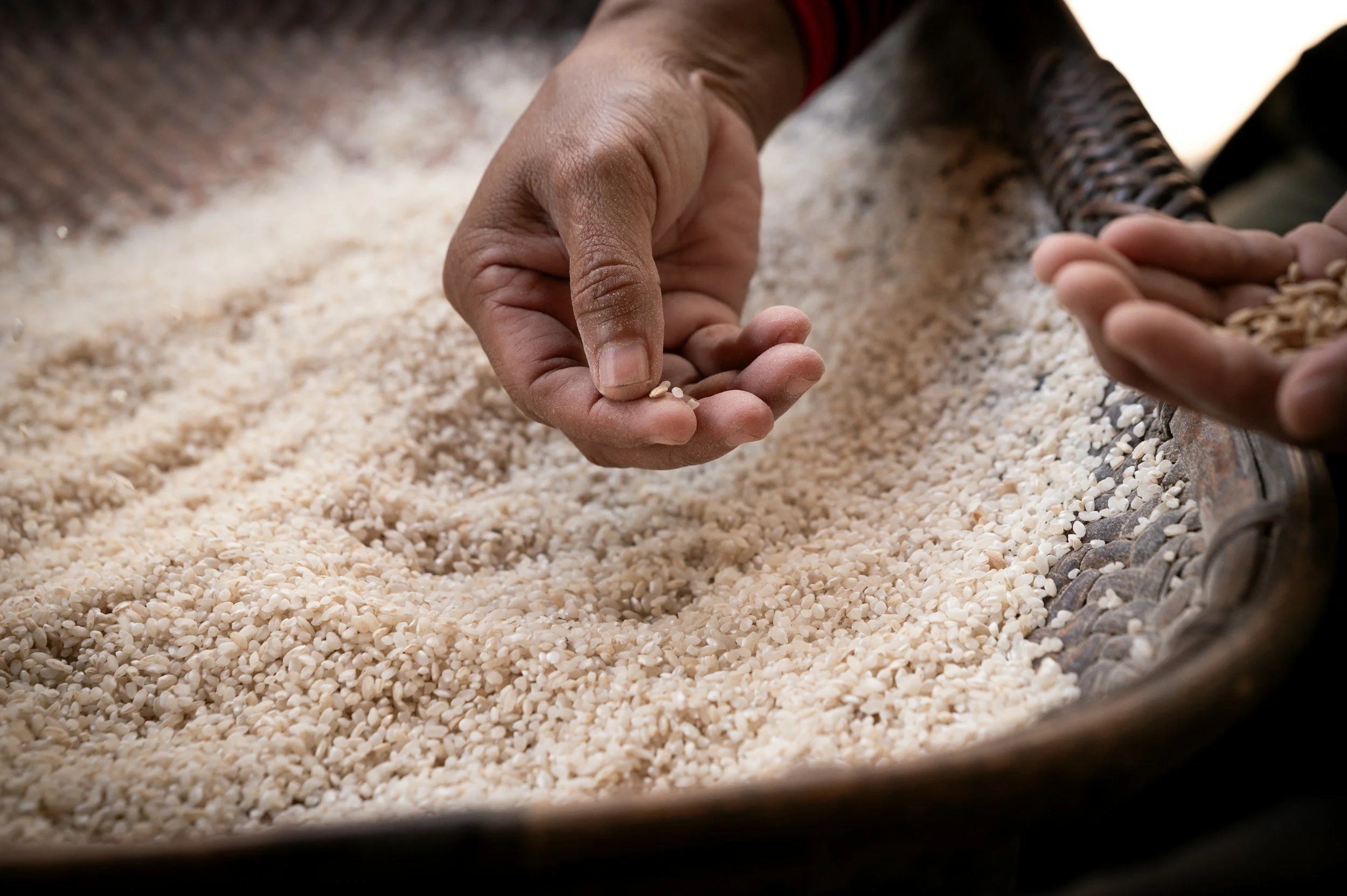
Yet this profound connection masks a harder economic truth. As a college student, I know this reality intimately—two cups of rice, one ulam, repeated daily just to get through. When budgets tighten, the ratio shifts: mountains of rice paired with slivers of viand. Restaurants proudly advertise "unlimited rice" as a key feature, and eating multiple cups can seem like a badge of honor. But pause for a moment, and you realize many aren't celebrating abundance—they're strategizing survival, filling up on affordable carbohydrates to gain enough energy to face the day's challenges, even when the meal lacks nutritional balance.
The same grain that unites Filipinos in tradition also quietly reveals the economic struggles many face daily. Rice becomes both a source of cultural pride and a reflection of food insecurity, embodying the complex reality of Filipino life—where identity and survival, celebration and necessity, are served together on the same plate.